
Key Highlights
- A professional playgroup programme focuses on nurturing social intelligence and emotional regulation in toddlers.
- Sensory-based activities provide the essential building blocks for cognitive growth and physical coordination.
- Transitioning through a playgroup helps children adjust more easily to a formal nursery curriculum in Singapore.
- Early exposure to language-rich environments accelerates vocabulary acquisition and communication confidence.
Introduction
The first few years of a child’s life are marked by rapid neurological development and an immense curiosity about the world. During this stage, parents often seek structured environments that can supplement the care provided at home. A playgroup programme serves as a gentle introduction to the world of formal schooling, offering a space where children between the ages of eighteen months and three years can explore safely. These programmes are not merely about supervised play; they are carefully designed to stimulate various developmental domains while fostering a sense of independence. By participating in these early sessions, children learn to navigate a world beyond their immediate family, setting the stage for future academic success and social harmony.
Fostering Social Intelligence and Peer Interaction
One of the most significant benefits of a playgroup programme is the opportunity for toddlers to interact with peers in a consistent, supervised setting. At this age, children begin to move from parallel play, where they play alongside others, to more interactive forms of engagement. Teachers facilitate this transition by encouraging sharing, turn-taking, and collaborative problem-solving. These early social experiences are vital for developing empathy and emotional resilience. When children learn to express their needs and understand the feelings of others within a group, they build a foundation of confidence. This social readiness is a critical prerequisite for the more complex group dynamics they will encounter as they move into a structured nursery curriculum in Singapore.
Preparation for a Formal Nursery Curriculum
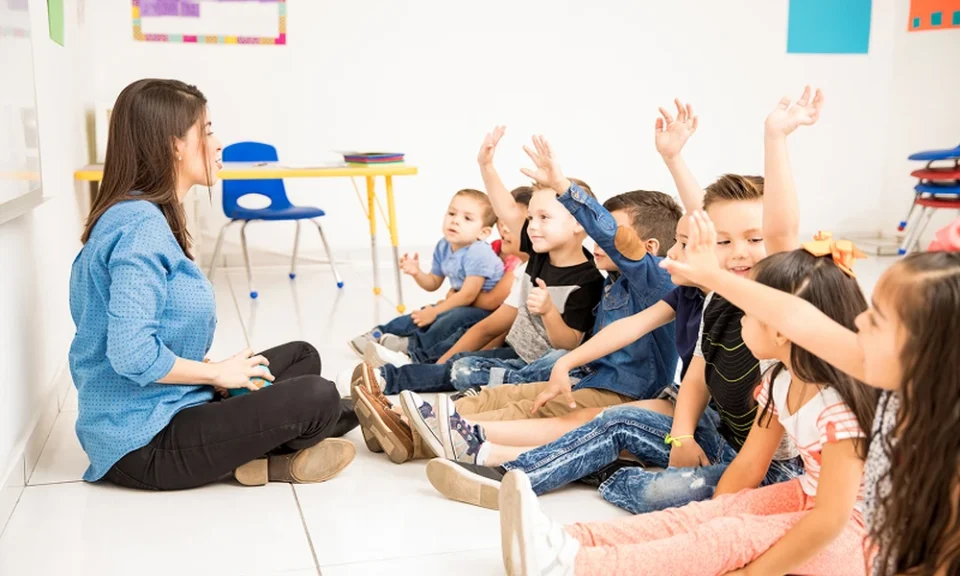
Transitioning from home to a full-day school environment can be a daunting experience for both parents and children. A well-structured playgroup acts as a bridge, familiarising the child with routines, classroom etiquette, and the presence of adult mentors other than their parents. This exposure ensures that when the time comes to enter a formal nursery curriculum in Singapore, the child is already comfortable with the concept of a school day. They learn to follow simple instructions, participate in circle time, and manage transitions between different activities. This familiarity reduces separation anxiety and allows the child to focus on the educational content of the nursery years rather than struggling with the basic logistics of being in a school environment.
Sensory Exploration and Cognitive Development
Toddlers learn best through their senses, and a quality playgroup programme prioritises hands-on exploration. Activities involving sand, water, clay, and various textures are not just fun; they are essential for brain development. These sensory experiences help children understand concepts like volume, weight, and cause and effect. Furthermore, these activities strengthen fine motor skills as small hands grasp, pour, and mould materials. This physical development is directly linked to cognitive growth, as the brain forms new neural pathways through tactile feedback. By providing a wide variety of materials and guided exploration, educators ensure that children develop the observational skills and inquisitiveness required for more advanced scientific and mathematical concepts in the future.
Language Acquisition and Communication Skills
The toddler years represent a window of opportunity for language development. In a professional playgroup setting, children are immersed in a language-rich environment where every interaction is an opportunity for learning. Through songs, rhymes, and interactive storytelling, educators introduce new vocabulary and sentence structures in a natural, engaging way. A playgroup programme encourages children to use their words to express their desires and observations, moving them beyond simple gestures. This constant verbal stimulation is crucial for building the communication skills necessary for future literacy. By the time they progress to a nursery curriculum in Singapore, these children often possess a broader vocabulary and a greater ability to articulate complex thoughts, giving them a distinct advantage in their early primary education.
Conclusion
Enrolling a child in a playgroup is a strategic investment in their long-term developmental health. By focusing on socialisation, sensory play, and language development, these programmes provide a comprehensive foundation that home care alone may not replicate. The structured yet flexible nature of a playgroup helps children develop the self-regulation and curiosity needed for a more academic nursery curriculum in Singapore. As children learn to navigate their first classroom, they gain a sense of belonging and a love for learning that will stay with them throughout their educational journey. Ultimately, the right early childhood start empowers children to enter their later schooling years with the confidence and skills required to thrive in an increasingly complex world.
To provide your child with the best start in their educational journey, visit Wharton Preschool to learn about our holistic approach.
