Starting a respiratory therapist program can feel like stepping into uncharted territory.
The coursework is demanding, clinical expectations are high, and the pressure to succeed can overwhelm even the most dedicated students.
But every challenge comes with a lesson—and a strategy to overcome it.
Adjusting to Medical Terminology
One of the first hurdles is the sheer volume of medical terms.
I remember walking into my first lecture and feeling like I had entered a foreign language class.
Words like “bronchodilator,” “spirometry,” and “pulmonary function” were thrown around as if everyone already knew them.
Here’s what helped me: creating flashcards, using mnemonic devices, and practicing with classmates.
Turning study sessions into group quizzes not only boosted memory but also made learning less intimidating.
respiratory therapist program options often emphasize these foundations early because mastering the language of healthcare sets the stage for clinical success.
Balancing Classroom Learning with Clinical Training
The transition from textbooks to hands-on care is another tough spot.
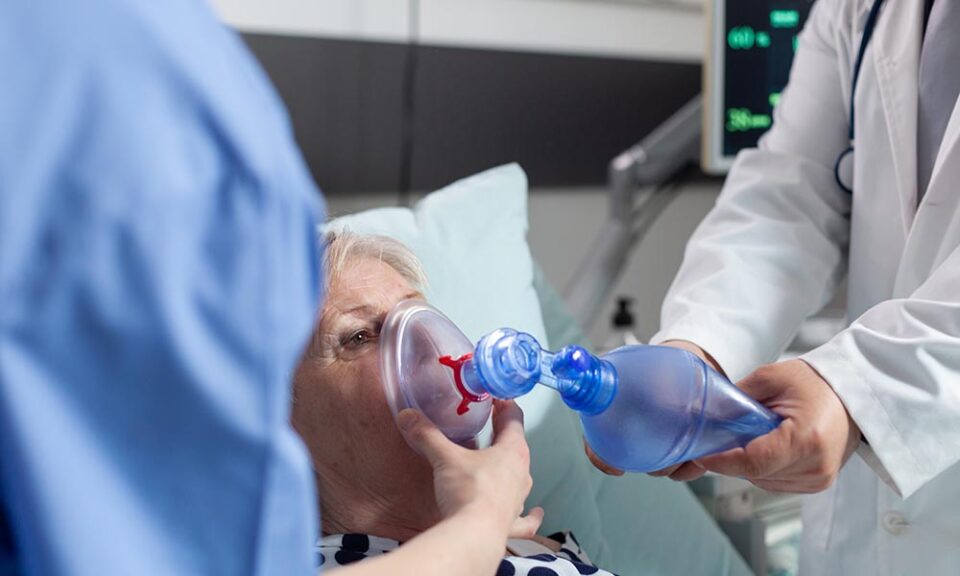
In my first clinical rotation, I froze when a patient started coughing uncontrollably while on oxygen therapy.
The protocols were in my notes, but applying them in real time with a nervous family watching was a different story.
What worked was shadowing experienced respiratory therapists and asking for feedback after every shift.
Clinical instructors expect mistakes, but they also expect growth.
The key is to treat each patient encounter as both a responsibility and a lesson.
Managing Time and Workload
Between labs, lectures, and clinical hours, the workload can feel like a full-time job.
I quickly learned that procrastination was my biggest enemy.
One week I tried cramming for a ventilator management exam after back-to-back 12-hour clinical shifts—I barely scraped by.
The solution? Creating a weekly schedule that blocked time for study, rest, and personal life.
Apps like Google Calendar or simple planners can be lifesavers.
The students who thrive are often not the ones who study the longest, but those who study the smartest.
Coping with Emotional Stress
Respiratory therapy deals with patients who are often critically ill.
Witnessing someone struggle to breathe is emotionally taxing.
During my rotation in the ICU, I met a patient who relied on a ventilator.
Despite everyone’s best efforts, their condition didn’t improve, and I carried the weight of that loss for weeks.
Talking with mentors and peers made the difference.
Most programs encourage counseling services or debriefing sessions because emotional resilience is as important as clinical skill.
Acknowledging the stress and finding healthy outlets—whether through exercise, journaling, or meditation—helps students stay grounded.
Building Critical Thinking Skills
Textbooks can prepare you for scenarios, but patients don’t always follow the script.
Once, I had a case where a patient’s oxygen saturation was dropping, but the typical intervention wasn’t working.
That moment pushed me to think beyond memorized steps and problem-solve on the spot.
Programs emphasize simulation labs for this reason.
Those mannequins hooked up to ventilators may feel awkward at first, but they teach you to make decisions under pressure.
The more you embrace simulation, the more confident you’ll feel when the real emergencies come.
Staying Motivated Through Setbacks
Not every test will go well, and not every skill will come easily.
I failed my first arterial blood gas interpretation exam.
For a moment, I doubted if I had chosen the right career path.
But setbacks don’t define your future—they shape your growth.
Reaching out to instructors, joining study groups, and reviewing practice cases turned my weakness into one of my strongest areas.
Most respiratory therapy graduates will tell you: persistence matters more than perfection.
Creating a Support System
The students who finish strong are rarely those who go through the journey alone.
Study groups, mentorship from clinical instructors, and friendships with classmates make the program manageable.
During stressful exam weeks, my group of peers became my anchor.
We quizzed each other, shared resources, and sometimes just grabbed coffee to vent.
Building that network not only helps during school but also carries into your professional life.
Healthcare is a team effort, and learning to collaborate early sets you up for success in the field.
Final Thoughts
A respiratory therapist program is demanding, but it’s also incredibly rewarding.
Yes, there will be late nights, stressful exams, and emotional days in clinical settings.
But there will also be victories—the first time you help a patient breathe easier, or when a professor tells you they’ve seen real progress in your skills.
Every challenge is part of the journey to becoming a trusted healthcare professional.
And when you walk across the stage at graduation, you’ll know every hurdle was worth it.
